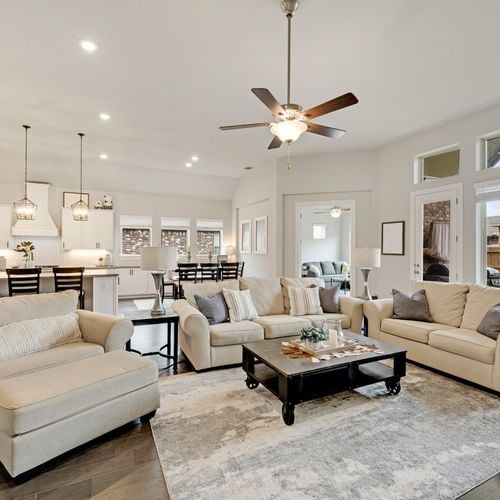


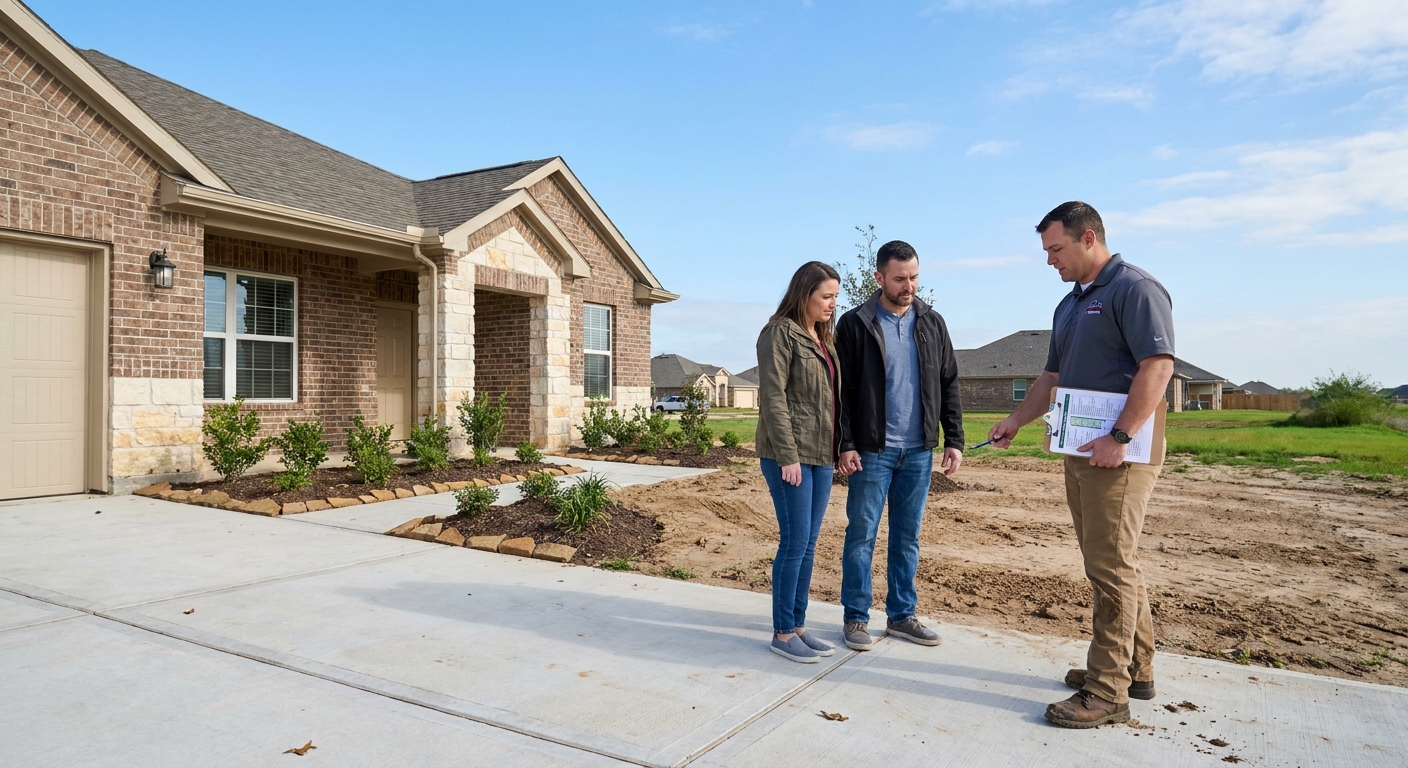
Waller keeps coming up in buyer conversations, and honestly, it makes sense. According to HAR's October 2026 Hottest Communities report, home sales in Waller jumped 45.7% year over year in Q3 2026, with 87.6% of those transactions being newly built homes. That's not a blip. That's basically the entire market moving in one direction.
If you've been priced out of Cypress or Tomball and someone mentioned Waller as an alternative, you're in good company. But here's what I tell every buyer before they set foot in a model home: the new appliances and the fresh paint smell are doing a lot of heavy lifting in that sales office. Before you fall in love with the kitchen, there are six questions worth getting clear on first.
Key Takeaways
Waller's growth is real: HAR reported a 45.7% year-over-year jump in Q3 2026 home sales, with new construction accounting for 87.6% of all transactions.
The base price is not your monthly payment: Taxes, MUD fees, HOA dues, upgrades, and insurance can add hundreds of dollars a month on top of what the builder advertises.
School assignments are address-specific: Waller ISD covers over 300 square miles. The community name is not the same as a campus assignment.
Flood research goes deeper than a FEMA map: Drainage history, lot grading, and an actual insurance quote all matter alongside the official zone designation.
Builder contracts protect the builder: Know what you're signing before the deposit leaves your account.
New construction still needs an independent inspection: Always verify schools, flood zones, and tax rates on every new construction before committing.
Representation matters from day one: Texas law now requires a written buyer representation agreement. Register with your agent before your first model-home visit.
1. Does the Waller Location Fit Your Daily Routine?
The model home is not the commute. I cannot say that enough.
Waller sits along US 290, roughly 40 to 50 miles northwest of downtown Houston. Some new communities are closer to the Grand Parkway. Others are further out than the address suggests. Drive the actual route on a Tuesday morning before you do anything else. Not a Saturday. Not on the way home from brunch. A real weekday, at real rush-hour time.
Beyond the drive, a few things catch buyers off guard:
Grocery and retail access: Larger retail and grocery options are still a drive from many Waller communities. Know what that errand run looks like on a Wednesday evening.
Healthcare proximity: Urgent care and hospital access varies by exact location. Worth confirming before you're in a situation where it matters.
Internet service: This one genuinely surprises people. Fiber is not available everywhere in Waller. Check the specific address before assuming.
Adjacent land: Many new subdivisions border undeveloped tracts or future phases mid-construction. Drive the perimeter, not just the front entrance.
If the location works on a random Tuesday, it'll work the rest of the time too.
2. Which Schools Serve the Exact Waller Address?
This is the question I hear most from families, and "are the schools good?" is honestly too broad to be useful.
Waller ISD covers more than 300 square miles across both Waller and Harris counties. Two homes in the same general neighborhood can feed into completely different campuses. The district is also growing fast, adding capacity and rezoning attendance areas as new communities come online. What's true for one address today might not hold for the next.
Here's how to actually verify it:
Start with the district's attendance zone maps: Waller ISD publishes board-approved zone maps, but follow up directly with the district using the specific street address.
Look at campus-level accountability ratings: The Texas Education Agency publishes individual campus report cards. Look at academic growth trends, not just the overall district score.
Ask about rezoning: If the community is new or still building out, ask the district whether attendance assignments are likely to shift as enrollment grows.
Confirm transportation: Whether your child's assigned campus requires a bus ride or is walkable matters, especially for younger kids.
Get written confirmation from the district for the specific address and the year you plan to enroll. A verbal "yes that's zoned to X school" from a sales rep is not the same thing.
3. What Will the Full Monthly Housing Cost Be?
The advertised price is a starting point. What you actually pay each month is built from several layers on top of that.
Texas property taxes in Waller-area communities can include the school district, the county, and special-purpose districts. Many new subdivisions also sit inside a Municipal Utility District (a MUD), which adds its own tax rate. That's a real number, and it varies by subdivision.
One thing that trips people up: Waller CAD values properties based on their condition as of January 1. A home under construction on that date carries a much lower tax bill than it will once it's completed and appraised at full market value. The first year's tax bill is not a reliable budget number for year two.
Here's what the full picture looks like:
Cost Item | What to Watch |
|---|---|
Principal and interest | Use your actual rate, not the builder's sample |
Property taxes | Confirm all taxing entities including MUD rates |
Homeowners insurance | Get a quote before going under contract |
Flood insurance | Price it even if the property isn't in a high-risk zone |
HOA dues | Confirm inclusions and any upcoming fee changes |
Upgrades and lot premiums | Often not reflected in the base price |
Utilities | Ask current residents what they're actually paying |
When comparing the builder's preferred lender offer to an outside lender, use the CFPB's Loan Estimate comparison tool. The incentive dollars don't always add up to the better deal over five years.
4. What Do Flood Maps and Drainage Records Show?
Northwest Houston has a complicated history with water. That's not a scare tactic. It's just context that matters when you're buying land and a home on it.
Start with the FEMA Flood Map Service Center. Look up the specific address, not the community name, and check the official flood zone designation. Then go a layer deeper:
Elevation certificate: If the property sits near a zone boundary, ask whether one exists. It can affect your insurance cost significantly.
Lot grading: Ask your inspector to look at how water moves across the specific lot relative to neighboring properties and streets.
Detention and drainage: Check Waller County's development regulations and ask who maintains any detention ponds near the community.
Insurance quote: Get a flood insurance number before closing, even if it's not required. The difference between a preferred policy and a standard one is worth knowing upfront.
A sales rep saying "this community doesn't flood" is not a data source. Verify it yourself.
5. What Does the Builder Contract Actually Include?
Builder contracts are written to protect the builder. That's not a complaint, it's just the reality. Knowing what to look for before you sign puts you in a much better spot.
Pay close attention to:
Deposit terms: What triggers forfeiture, how much is at risk, and under what conditions any of it comes back to you.
Appraisal and financing contingencies: Some builder contracts limit or waive these. If the home appraises below contract price, you need to know exactly what your options are.
Completion timelines: Delays are common in new construction. What does the contract say happens if the builder misses the promised delivery date?
Standard vs. model features: Walk the model with your contract in hand. Flooring, countertops, fixtures, and landscaping shown in the model are often upgrades, not inclusions.
Promised amenities: If the pool, trails, or green spaces are "planned," ask when they're expected and get whatever you can in writing.
If the contract language feels unfamiliar, an attorney review is worth the cost. This is a large purchase and the paperwork reflects that.
6. Which Inspections and Warranties Protect You?
New construction still gets inspected. Brand new does not mean problem-free, and I've seen enough post-closing surprises to say that with confidence.
TREC has flagged that some builders restrict when and how inspections can be conducted. Know what your contract allows before you sign.
Three inspections to consider:
Pre-drywall: If the contract allows it, an inspection before the walls close up can catch framing, plumbing, and electrical issues while they're still accessible.
Final walkthrough inspection: A licensed inspector reviewing the finished home before closing is standard practice. Don't skip it.
Month-ten inspection: Most Texas builders offer a one-year workmanship warranty. An inspection around month ten documents any issues before that window closes.
Keep all of it in writing: selections, change orders, repair confirmations, warranty terms, and emergency contact information. A simple folder now saves real headaches later.
If you're weighing a Waller new build and want to talk through the specifics before your first builder visit, I'm happy to help. Schools, flood zones, tax jurisdictions, I look at all of it. Reach out at jdoddsgroup.com.
Frequently Asked Questions
Can I Use My Own Agent When Buying From a Builder?
Yes, and I'd recommend it. Texas law now requires a written buyer representation agreement, so connect with your agent before your first model-home visit or you may be considered unrepresented from the start.
Is a Builder Deposit Refundable if My Plans Change?
It depends on the specific contract. Some deposits are partially refundable under defined conditions, others are not, so have an attorney review the terms before any money changes hands.
Should I Use the Builder's Preferred Lender?
Not without comparing first. Builder incentives can be appealing, but run a full cost comparison against an outside lender using the same loan terms before you decide.
How Does a Quick Move-In Home Differ From a To-Be-Built Home?
A quick move-in home is already under construction or complete, which means faster possession but fewer choices. A to-be-built home offers more customization but longer timelines and more exposure to delays.
What Records Should I Keep for the Builder Warranty?
Hold onto your contract, all selections and change orders, inspection reports, repair confirmations, warranty documents, appliance manuals, and any written communication with the builder.
Check out this article next